
What durable leadwork depends on
Junctions inspected closely
We assess the meeting points where different roof surfaces rely on lead to stay dry.
Movement allowed for
Lead needs room to expand and contract without splitting at weak points later.
Adjoining roof checked
The surrounding coverings matter when deciding if repair or renewal will last.
Lead protects the awkward places
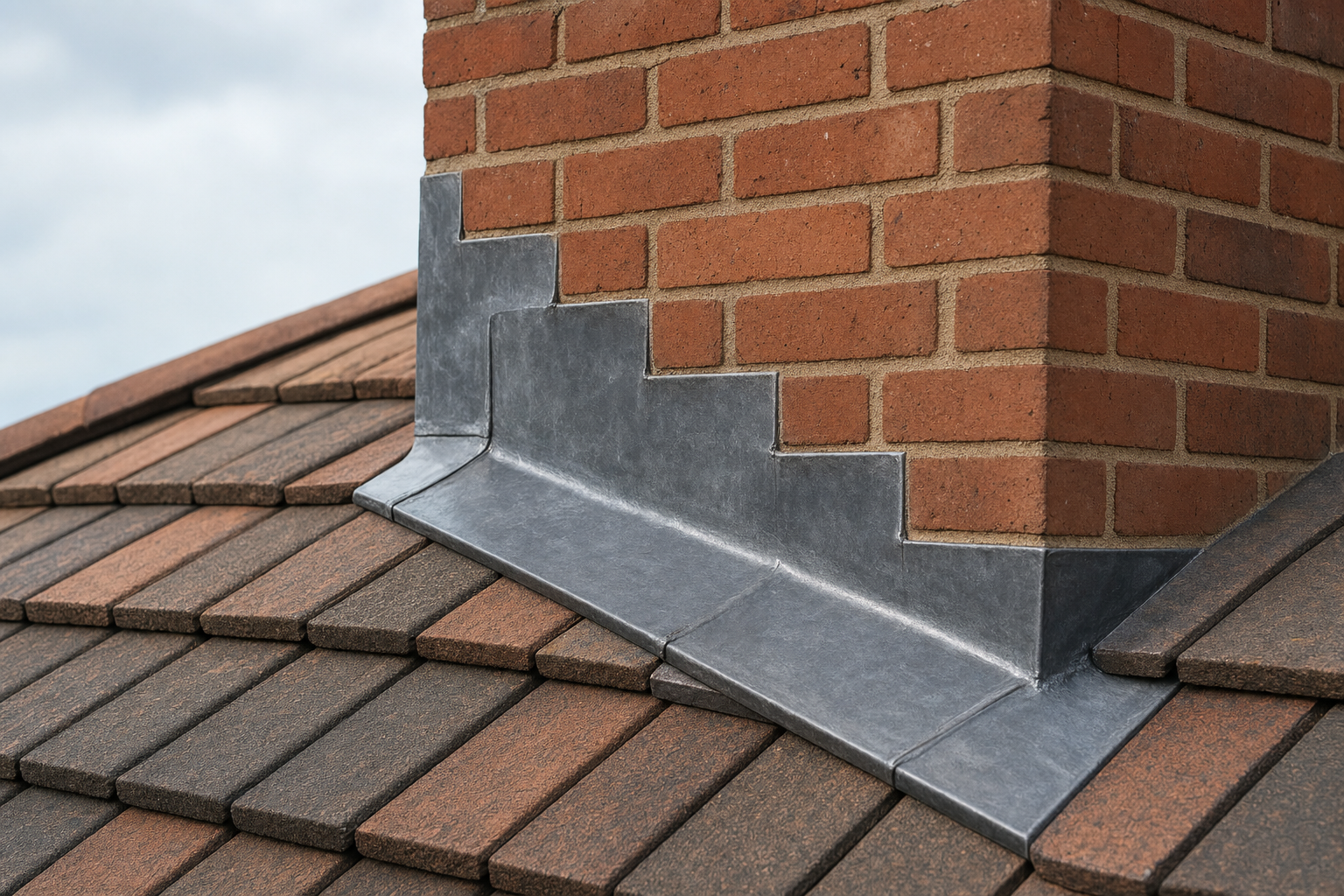
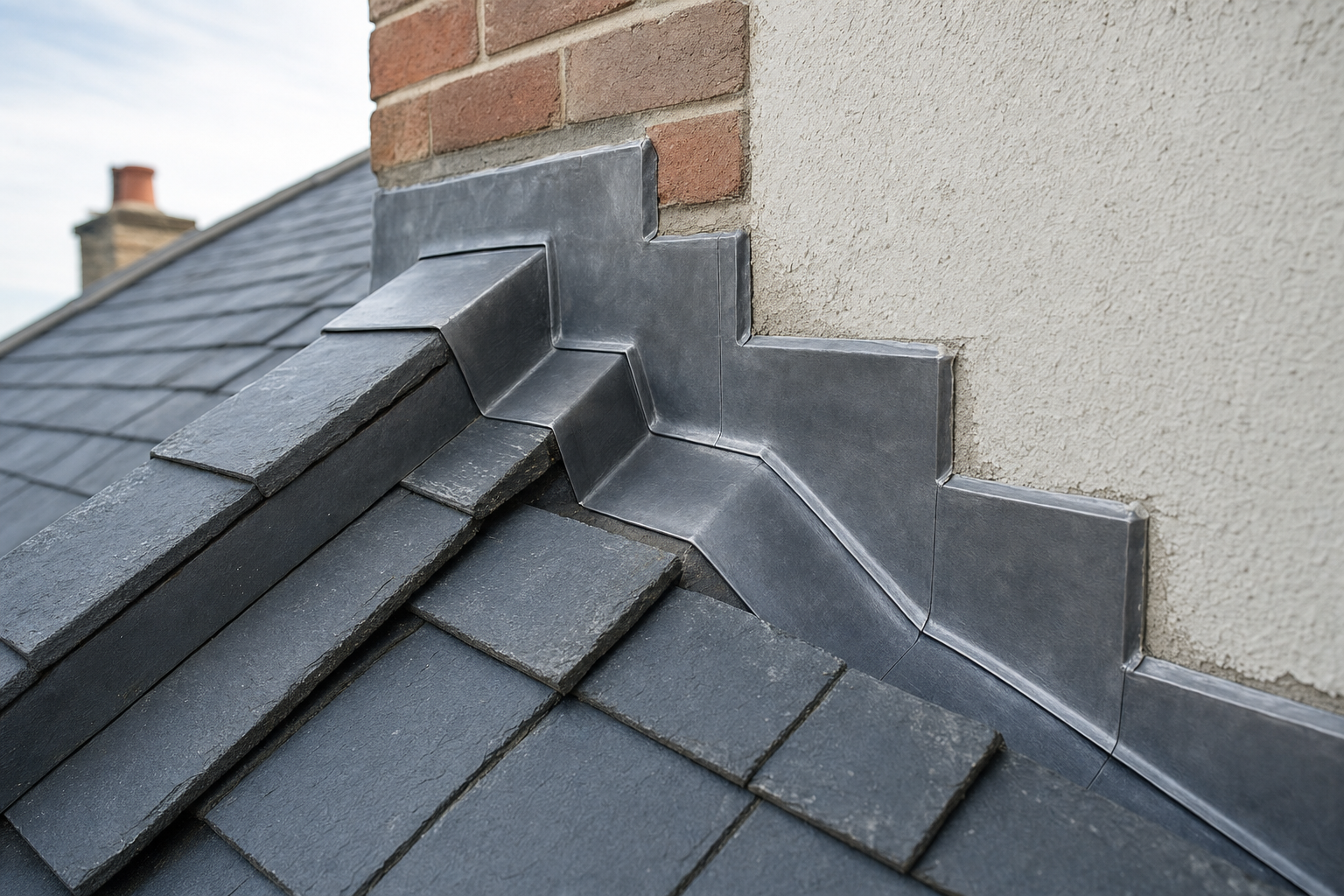
Lead has an important job on a roof because it helps keep the joints weatherproof where different surfaces meet. Around chimneys, abutments, valleys and other changes in roof shape, a weak or split lead detail can let water through surprisingly quickly. With Calibre Roofing, we carry out lead flashing repair where sections have cracked, lifted, split or come loose from the surrounding materials. We look at how the lead is fixed, shaped and sitting against the adjoining roof coverings, because the fault is often in the way the detail has moved or deteriorated over time rather than in one neat tear alone.
Repair or renew the section that failed
A visit from Calibre Roofing helps judge whether the lead needs local repair or full renewal of the affected section. That decision depends on the overall condition, the amount of movement, the detailing, and the soundness of the surrounding roof materials that the lead has to weatherproof. Correct shaping, overlap, fixing and allowance for thermal movement are central to the result, because lead needs to move a little without pulling itself apart. Done properly, the repair restores the vulnerable junction instead of leaving it to open up again when the weather changes.
Frequently asked questions
Can lead flashing be repaired without replacing all of it?
Yes, if the failed area is local and the surrounding lead is still sound. We inspect the overall condition, the way the section has been fixed and the state of the adjoining roof materials before deciding whether a local repair is sensible or whether wider renewal is the better answer.
Where does roof leadwork usually fail?
Lead commonly fails around chimneys, abutments, valleys and other junctions where it has to bridge different surfaces. Splits, lifting, cracking and loose edges are common issues, especially where the lead has been stressed by movement, poor fixing or wear in the surrounding roof details.
Why does lead need room for movement?
Lead expands and contracts as temperatures change. If it is fixed or shaped badly, that movement can create stress points that lead to cracks, lifting or separation from the adjoining materials. Good leadwork allows for that movement instead of fighting against it.