
What storm repair should deal with
More than the impact spot
Nearby materials are checked as well, because wind often shifts more than one area.
Safe first response
Loose parts and exposed sections are assessed before the wider repair is planned.
Weather resistance restored
We repair the coverings and the junctions that left the roof exposed after the storm.
Storm damage reaches beyond the obvious
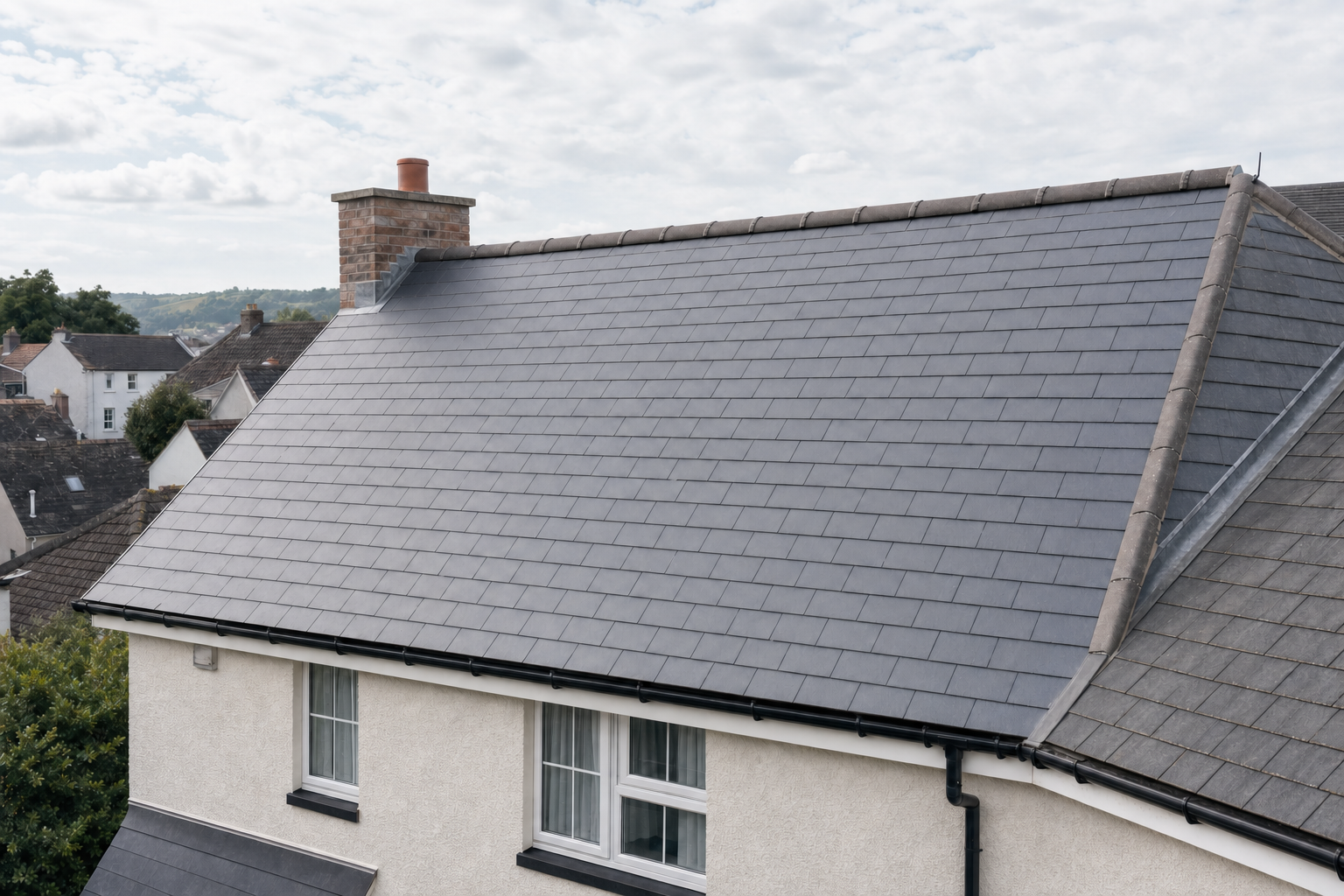
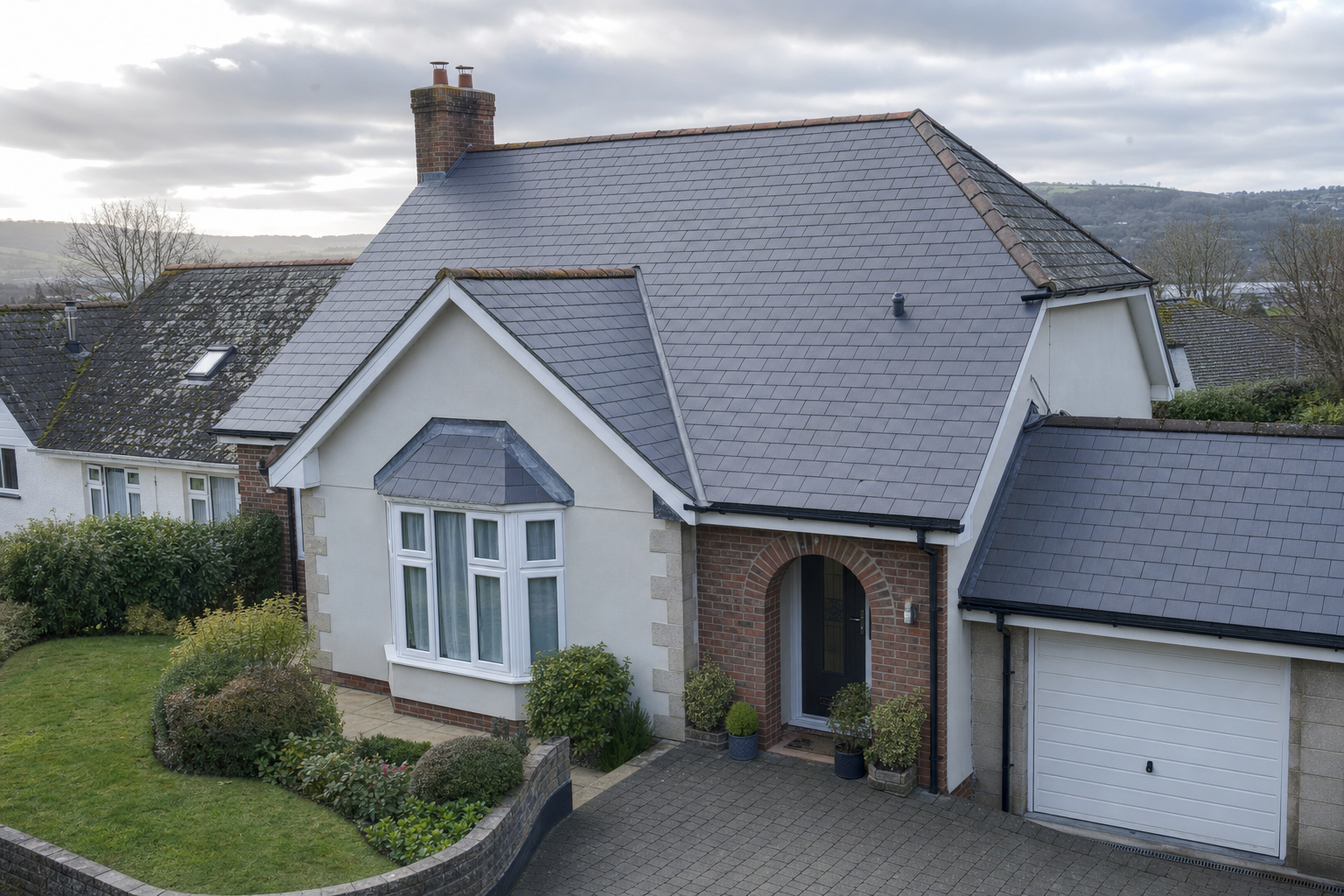
After high winds, heavy rain or flying debris, the missing piece you can see is not always the full story. With Calibre Roofing, we treat storm damage as something that can shift, crack or loosen other parts of the roof at the same time. We repair displaced coverings, damaged ridges, loosened flashing and exposed sections left vulnerable after bad weather. The first step is to understand when the damage happened, where it is visible and how it is affecting the property. That gives us a better starting point for the visit and helps us look for both the impact point and the nearby materials that may also have been compromised.
From make-safe work to full repair
A visit from Calibre Roofing begins with safe assessment and whatever is needed to reduce immediate exposure to the weather. That may mean making the area safe, adding temporary protection or securing loose components before the permanent repair is carried out. We then replace damaged sections and restore the vulnerable junctions that keep water out when the weather turns again. The aim is not just to tidy up what the storm moved but to rebuild the affected area so the roof regains its stability and weather resistance rather than staying one gust away from the next problem.
Frequently asked questions
What counts as storm damage on a roof?
Storm damage can include missing or displaced tiles or slates, cracked ridges, loosened flashing, impact damage from debris and exposed roof areas where water can enter. Sometimes the damage is obvious from the ground. Sometimes it shows up later as a leak or movement in the surrounding roof.
Do you check the surrounding roof as well?
Yes, because high winds and heavy rain can affect more than the main break. We inspect nearby coverings, fixings and junctions to see whether they have shifted, cracked or loosened too. That helps stop a repair from dealing with one damaged spot while another weakened area is left behind.
What if weather stops a full repair straight away?
If conditions are too poor for a complete repair at the first visit, we can carry out make-safe work or temporary protection where possible, then return for the lasting remedy. That way, the urgent risk is reduced while the proper repair is completed when safe conditions allow.